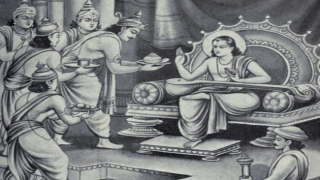
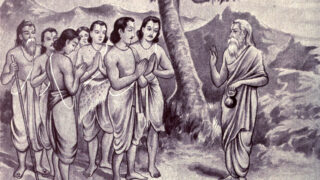
ಸಹದೇವನ ಪಾತ್ರಪರಿಕಲ್ಪನೆ ಮತ್ತು ಪ್ರತಿಮೆ ವ್ಯಾಸ ಮಹರ್ಷಿಗಳ ಅಪ್ರತಿಮ ದೃಷ್ಟಿಗೆ ಹಿಡಿದ ಕನ್ನಡಿಯಾಗಿದೆ. ಸಹದೇವ ಮಹಾಭಾರತದುದ್ದಕ್ಕೂ ಗುಪ್ತಗಾಮಿನಿಯಾಗಿ ಹರಿಯುವ ನದಿಯಂತೆ. ಎಲ್ಲಿಯೂ ಮುನ್ನೆಲೆಗೆ ಬಾರದೇ ಸದಾ ಪ್ರಸ್ತುತ. ಸದಾ ಅಗತ್ಯ.
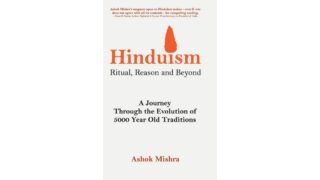
The objective of the book is to explain the architecture of Hinduism, the critical elements of the architecture, and trace the trajectory of the evolution of Hinduism from its ancient times till today.
ಕನಿಷ್ಠ 1600 ವರ್ಷಗಳಿಂದ ಭಾರತೀಯ ಸಂಸ್ಕೃತಿಯು ಕಾಳಿದಾಸನನ್ನು ’ಕವಿಕುಲಗುರು’ ಎಂದು ಹೃತ್ಪೂರ್ವಕವಾಗಿ ಕರೆದಿದೆ. ಪರಂಪರೆಯ ಯಾವುದೇ ಮಹಾಕವಿ, ವ್ಯಾಖ್ಯಾನಕಾರ, ಆಧುನಿಕ ವಿಮರ್ಶಕನಾಗಲಿ ಕಾಳಿದಾಸನ ಕಾವ್ಯಕ್ಕೆ ಗೌರವ ಸಲ್ಲಿಸುವುದು ಅತ್ಯಾವಶ್ಯವೆಂದು ಭಾವಿಸಿದ್ದಾನೆ(ಳೆ).
ಋಗ್ವೇದದ ಹತ್ತನೇಯ ಮಂಡಲದಲ್ಲಿನ ೧೨೫ನೇಯ ಸೂಕ್ತವು ದೇವೀ ಸೂಕ್ತವೆಂದೂ, ವಾಕ್ ಸೂಕ್ತವೆಂದೂ ಖ್ಯಾತಿ ಪಡೆದಿದೆ. ಸಂಪ್ರದಾಯದಲ್ಲಿ ದೇವೀ ಸೂಕ್ತಕ್ಕೆ ಅದೆಷ್ಟು ಮಹತ್ವವಿದೆಯೋ ಅಷ್ಟೇ ಪ್ರಾಮುಖ್ಯತೆಯನ್ನು ಆಧುನಿಕ ಅಧ್ಯಯನದಲ್ಲಿಯೂ ಪಡೆದಿದೆ.
ಗಮನಿಸಬೇಕಾದ ಅಂಶವೆಂದರೆ, ಹೃನ್ಮನಗಳನ್ನು ಹಿಡಿದಿಡುವ ಜೊತೆಗೇ ಜೀವನದ ವ್ಯಾವಹಾರಿಕ ವಿಷಯವಸ್ತುಗಳನ್ನೂ ಮಹಾಭಾರತ ಒಳಗೊಂಡಿದೆ. ಅದರಲ್ಲೂ ಅರ್ಥಶಾಸ್ತ್ರ, ಅರ್ಥವ್ಯವಸ್ಥೆಯ ಸಂಬಂಧವಾದ ವಿಚಾರಗಳೂ ಮಹಾಭಾರತದಲ್ಲಿ ಹೇರಳವಾಗಿದೆ.
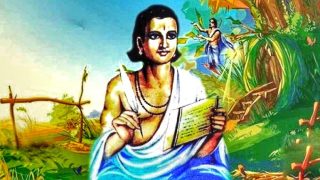
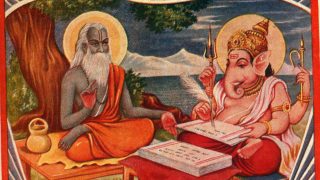
ಮಹಾಭಾರತದಲ್ಲಿ ಮಹಾಗಣಪತಿಯ ಪಾತ್ರ ಭಾರತೀಯ ಪರಂಪರೆಯ ಸ್ಮೃತಿಯಲ್ಲಿ ಚಿರಸ್ಥಾಯಿಯಾಗಿದೆ. ವ್ಯಾಸ ಮಹರ್ಷಿಗಳಿಗೂ ಗಣಪತಿಗೂ ನಡೆಯುವ ಸಂವಾದ ಜನಮಾನಸದಲ್ಲಿಯೂ, ಪಂಡಿತರ ಪರಾಮರ್ಶೆಯಲ್ಲೂ ಉನ್ನತವಾದ ಸ್ಥಾನವನ್ನು ಪಡೆದಿದೆ. ಇಷ್ಟಾಗಿಯೂ ಈ ಪ್ರಸಂಗದ ಪ್ರತಿಮಾತ್ಮಕ ಸೌಂದರ್ಯ, ಕಾವ್ಯಾತ್ಮಕತೆಗಳು ರಸಿಕರ ಗಮನವನ್ನು ಅಷ್ಟಾಗಿ ಸೆಳೆದಂತಿಲ್ಲ.
In the Mahabharata, Maharshi Vyasa has not introduced a single character for the sake of it. In the form of Ashwatthama, he has crafted an illuminating metaphor that continues to shake the consciousness of civilization forever.
In The Anarchy Part I, we had presented a list of questions against which this book must be reviewed. Most of the questions have been answered in the above sections indirectly.
The Anarchy by William Darlymple is about the journey of East India Company starting from its formation as a trading company to its becoming ruler of the Great Indian Subcontinent.
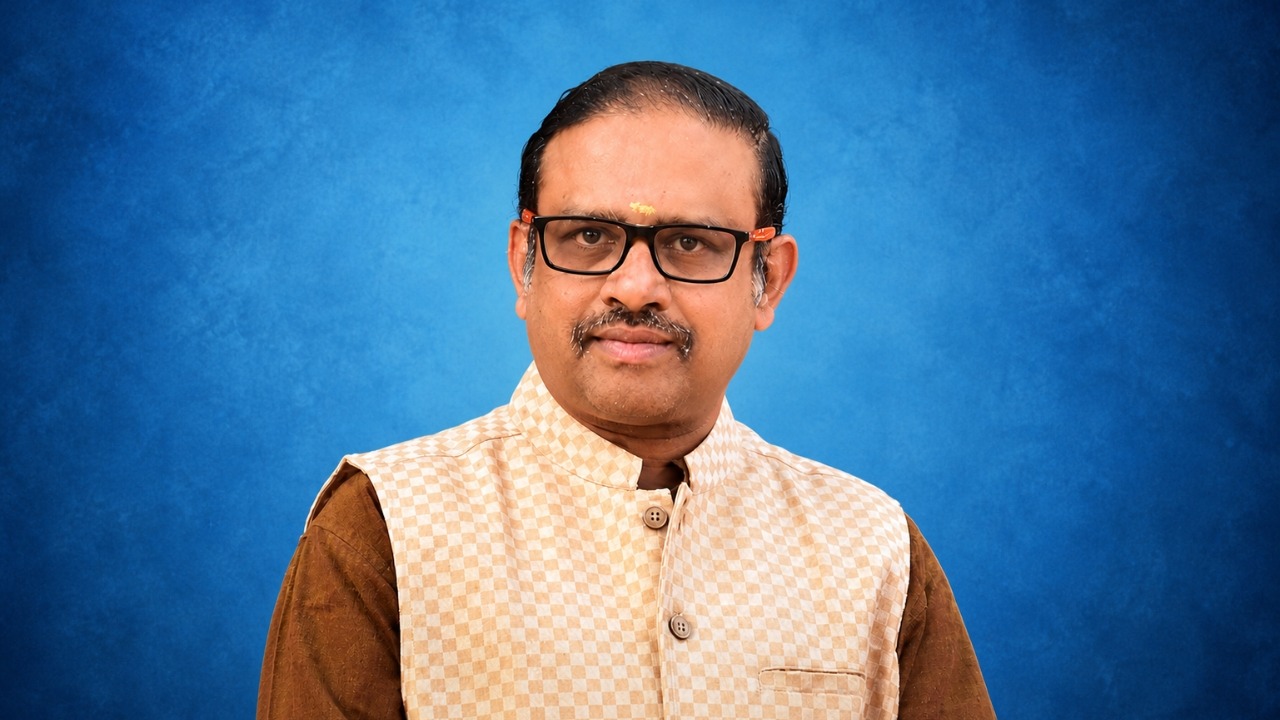
Shivakumar G V is Director of the INDICA Kautilya Centre, where he focuses on integrating Indian Knowledge Systems (IKS) into contemporary frameworks of governance, policy, and leadership. At the Kautilya Centre, he works toward building a scholar–practitioner ecosystem that advances IKS-informed approaches in public and institutional domains. He engages in research, dialogue, and program design across areas including statecraft, ethics, leadership, and decolonization, often drawing from Itihasa-Purana traditions. His research work centers on developing civilizational frameworks rooted in concepts such as Purushartha, translating textual, practitioner-led, and lived traditions into actionable insights for institutions and communities.
With an MTech in Computer Science from IIT Mumbai and 25 years of IT Industry experience in technology and learning systems design, Shivakumar seeks to explore IKS through a blend of modern and traditional rigour, and brings its best to contemporary pursuits.