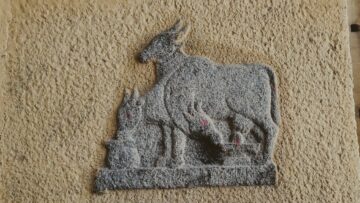

Last year, I began my master’s program at an institution near Devanahalli, on the outskirts of Bengaluru. Prior to my arrival, I asked acquaintances regarding the locale; however, the majority conveyed a rather dismissive view, primarily attributing it to its peripheral location beyond the urban core. They cautioned me, often rhetorically, about the apparent lack of noteworthy attractions in Devanahalli. Contrary to these initial impressions, my experience upon arrival was very different. My attention was immediately drawn to the Sri Krishna Dvāra near the old bus stand—an imposing and aesthetically striking structure that depicts multiple incarnations (avatāras) of Mahavishnu. Its architectural scale and symbolic richness captured my curiosity and served as the starting point of my engagement with the region’s cultural and religious landscape. Motivated by this initial encounter, I inquired with local residents about the presence of a nearby Sri Krishna Devalaya. Several locals affirmed its existence and directed me along the same road, suggesting that I proceed straight ahead until reaching its terminal point.
One Road, Many Temples and a Fort
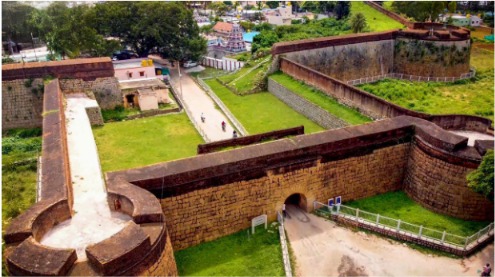
I began walking along the straight road, which was bustling with people purchasing vegetables and engaging in everyday market activities. Amidst this lively setting, I noticed a small Anjaneya Temple. In the same alignment stood a Devi temple, the Kanyakaparameshwari Temple, both of which were modest yet aesthetically pleasing. As I continued further, I came across a government school accompanied by a few residential houses. This street evoked a sense of familiarity, reminding me of my hometown, Madhugiri. Although this locality forms part of Bengaluru and is often described as a newly developed area, I had not anticipated that it would evoke such a strong sense of nostalgia. Proceeding ahead, I encountered a massive fort wall, which immediately drew my attention and curiosity about how people resided within such a historically significant space. Shortly thereafter, I noticed an official board installed by the Archaeological Survey of India, through which I learned that the structure was indeed a fort, though parts of it lay in ruins. As I walked closer and began ascending towards it, I discovered a pathway that directly connected to a temple complex, where nearly four temples became visible within my line of sight.
How Old is the Devanahalli Fort?
The history of Devanahalli Fort can be traced back to the early sixteenth century, encapsulating the complex political and cultural transformations of South India. Initially constructed as a mud fortification in 1501 by Malla Baire Gowda, a feudal lord under the Vijayanagara Empire, the fort evolved into a strategically significant settlement, remaining under his lineage for several generations. With the gradual decline of Vijayanagara authority, the fort underwent multiple transitions of control. It was subsequently incorporated into the Kingdom of Mysore and later came under the dominion of Hyder Ali, who reconstructed the fort using stone, thereby imparting much of its current architectural form. The site is also closely associated with Tipu Sultan, whose birthplace is located nearby, further augmenting its historical significance. In 1791, during the Anglo-Mysore Wars, the fort was seized by British forces led by Lord Cornwallis. Presently, the fort is a protected monument under the Archaeological Survey of India, symbolizing over five centuries of history, power transitions, and enduring heritage. Upon traversing the fort while descending, I encountered an elegant Hanuman Temple adorned with intricate wall paintings that exemplified devotional artistry. To the left of this shrine, I finally observed the towering gopura of the Venugopalaswamy Temple.
Finally in the Temple of Krishna
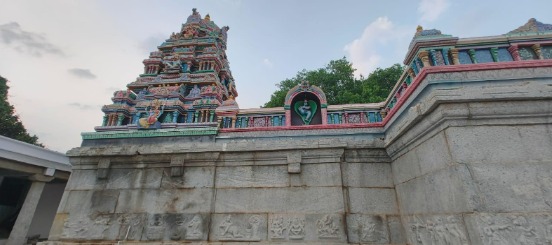
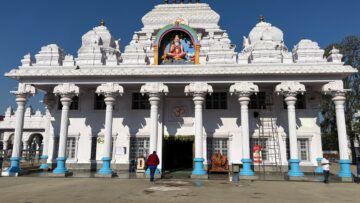
(Figure 1: Sri Rukmini–Satyabhama Sametha Venugopalaswamy temple architecture)
Situated within the historic precincts of Devanahalli Fort, the Venugopalaswamy Temple exemplifies a remarkable synthesis of architectural traditions and historical layers. Although these temples were constructed across various historical periods, many exhibit stylistic features associated with Hoysala architecture. Despite their relatively modest scale, they display a high degree of craftsmanship, particularly evident in their intricately carved pillars and frescoes. In this regard, the Venugopalaswamy Temple may be perceived as a smaller yet equally detailed counterpart to the grand temple complexes of Belur and Halebidu. One of the most striking features of the temple is its tall Rayagopuram, flanked by two statues of Lord Vishnu, believed to date back to the Ganga dynasty. These statues are notable for their contrasting expressions, postures, and attributes, offering a vivid visual distinction. Architecturally, the temple includes a spacious inner prakara, along with a navaranga, a mukhamantapa, and a comparatively small garbhagriha, adhering to traditional South Indian temple layouts. The temple’s outer stone walls are richly adorned with friezes depicting scenes from the Ramayana, with the northern and southern walls narrating episodes from the Balakanda. The prakara walls feature niches embellished with intricate stucco work, while the pillars of the mukhamantapa exhibit finely detailed carvings that reflect the artistic sophistication of the period. The sanctum enshrines Sri Rukmini–Satyabhama Sametha Venugopalaswamy, representing the divine flute-playing form of Lord Krishna. This deity is accompanied by his consorts, Rukmini and Satyabhama, embodying the Vaishnavite devotional traditions prevalent in the region. The iconography follows the Vijayanagara Empire style, while the shikhara reflects the Dravidian architectural idiom—together representing a confluence of cultural influences. The temple continues to be an active center of worship. Each year, during Chaitra Poornima, an annual Utsav is organized, during which the temple is ceremonially cleaned and maintained through contributions made by devotees.
A Donation Inscription that Preserves History
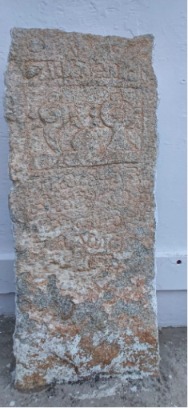
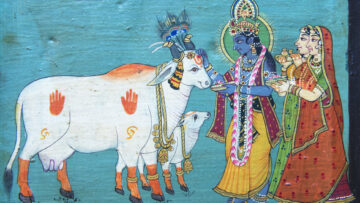
(Figure 2: The Donation Inscription of Sri Rukmini–Satyabhama Sametha Venugopalaswamy Temple: A Testament to Royal Patronage and Religious Endowment in Devanahalli.)
Within the Sri Rukmini–Satyabhama Sametha Venugopalaswamy Temple, a donation inscription (Dana Shasana) provides a crucial historical account of Devanapura, the former name of present-day Devanahalli. This inscription indicates that the governance of the Devanapura kingdom was initiated by Sannabairegowda, a member of the Avati Nadaprabhus, in 1501 CE. The dynasty he established continued to rule the region until the tenure of Chikkappagowda in 1749 CE.
The inscription additionally documents that Gopalagowda of the Kashyapa Gotra, the son of Immadi Sonnabhairegowda and his dharmapatni Kempamma, and the grandson of Muddubhairegowda, was governing the kingdom at the time the grant was conferred. During his rule, a donation charter was executed to ensure the continuous worship, rituals, and maintenance of Sri Madanagopalaswamy, accompanied by Sri Rukmini and Satyabhama, the deity currently venerated as Sri Venugopalaswamy. The inscription explicitly mentions that the temple had originally been established by the ruler’s ancestors at the center of the fortified town.
The grant was conferred in Shaka 1619, coinciding with the Ishwara Nama Samvatsara, on the auspicious day of Magha Shuddha 15, which occurred on a Saturday. The endowment aimed to facilitate the regular execution of Nityotsava (daily worship), Pakshotsava (fortnightly observances), Masotsava (monthly celebrations), Samvatsarotsava (annual festivals), and Rathotsava (chariot festivals).
The villages of Moluru and Madduru, located within Vadigenahalli Hobli, were allocated as temple endowments to support religious activities. To ensure the sustenance of the archakas (priests), further grants were provided, including Somattanahalli Hobli, Arahalli village, Hosakere, and the garden owned by Kempamma. Additionally, the inscription documents the allocation of Savakanahalli to the Chatripalakiyaru, the female attendants tasked with carrying ceremonial umbrellas during temple processions.
The inscription further specifies that all agricultural produce from the Baichapura villages and their two administrative divisions is to be allocated to the temple. Any surplus revenue, after covering ritual and administrative expenses, was to be used for creating ornaments for the deity. These directives illustrate a sophisticated system of temple financing and resource management.
The charter includes comprehensive provisions concerning the operations of the temple. It stipulates that the oil necessary for the temple lamps must be supplied directly from the royal storehouses. In the event that these storehouses do not provide an adequate supply, the oil is to be sourced directly from the royal palace. Furthermore, the inscription mandates the daily distribution of Annaprasada to all devotees visiting the temple, underscoring the temple’s function as both a spiritual and social institution.
Perhaps the most striking aspect of the inscription is its concluding injunction. It warns that any person—whether Brahmin, Kshatriya, Vaishya, or Shudra—who violates, obstructs, or fails to uphold the charitable endowment shall incur spiritual consequences and be excluded from the customs, lineage, and hereditary traditions of their ancestors. Such clauses were common in medieval South Indian inscriptions and were intended to safeguard religious endowments across generations.
More than a simple record of donation, this inscription preserves the genealogy of Devanahalli’s ruling family, documents the economic foundations of temple administration, and offers a rare glimpse into the religious, social, and political life of the region during the late seventeenth century. It stands today as one of the most important historical testimonies to the relationship between kingship, devotion, and public welfare in the Devanapura kingdom.
A Sacred Cluster Around the Fort
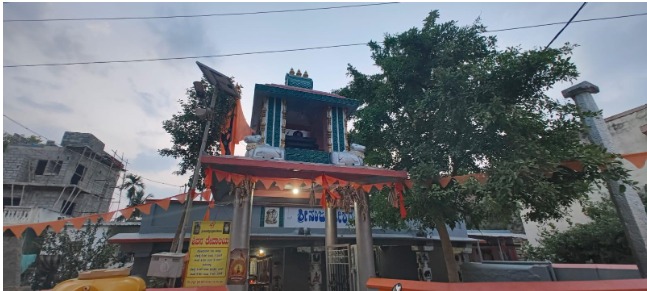
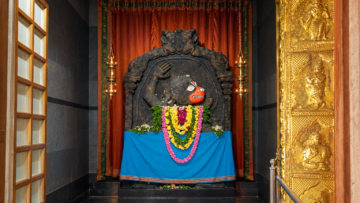
(Figure 3: Sri Nanjundeshwara swamy temple)
The Nanjundeshwara Temple, situated to the right of the Venugopalaswamy Temple, is considered by local residents to be one of the oldest temples in Devanahalli, potentially predating the Venugopalaswamy Temple. Recent rejuvenation and restoration efforts have been undertaken to preserve this significant element of the town’s religious heritage.
In a discussion with the temple archaka (priest), it was acknowledged that the historical authenticity of certain traditions linked to the temple cannot be fully verified. Nevertheless, drawing on local knowledge transmitted through generations, it is suggested that the temple may have its origins in the Vijayanagara period. The temple’s presiding deity, Sri Nanjundeshwara Swamy, is venerated in the form of a Shiva Linga. A distinctive belief associated with the temple is that the yoni pedestal of the Shiva Linga was once capable of rotation. However, this feature has ceased to function over time, potentially due to aging, structural deterioration, or neglect.
Adjacent to the Shiva Linga is a depiction of Goddess Parvathi in an upright stance. Local devotees ascribe significant spiritual power to this deity, and there exists a prevalent belief that placing a hand near the goddess’s nose allows one to feel her breath. Although these traditions are rooted in faith rather than historical evidence, they persist in influencing the temple’s devotional importance and reinforcing its ties with the local community.
The Nanjundeshwara Temple is situated in proximity to several other significant religious sites, including the Marigudi Temple, which is dedicated to the village deity, the Raghavendra Swamy Matha, the Siddhalingeshwara Swamy Temple, and the Chandramoulishwara Swamy Temple. Collectively, these shrines constitute an interconnected sacred area that exemplifies the enduring religious traditions of Devanahalli.
Immediately behind the fort, I encountered another Hanuman temple located adjacent to a tranquil lake, where boating facilities are occasionally available. After offering prayers at this site, I proceeded along the road behind the fort and discovered an additional Hanuman shrine, which is accompanied by a large temple tank, known as a kalyani. This shrine, identified as the Sarovara Kalyani Anjaneya Swamy Temple, immediately captured my attention. Although the kalyani was devoid of water during my visit, its scale and architectural features suggest a rich historical past. In the absence of inscriptions or historical markers, its precise age remains uncertain; however, it continues to serve as a striking reminder of the town’s sacred and cultural heritage.
Located behind Devanahalli Fort, I discovered another Hanuman Temple adjacent to a serene lake, where boating facilities are occasionally provided. Following the offering of prayers, I proceeded along a road behind the fort and encountered an additional Hanuman shrine, identified as the Sarovara Kalyani Anjaneya Swamy Temple. This temple is accompanied by a substantial kalyani (temple tank), which, although dry at the time of my visit, remained architecturally impressive and visually striking. Despite the absence of inscriptions or historical markers to indicate its age, the scale and design of the tank imply a significant historical legacy.
The birthplace of Tipu Sultan is situated approximately 200–300 feet from the temple, underscoring the area’s significant historical richness. The frequent occurrence of Hanuman temples within and around the fort invites further examination of the region’s history. This prompts questions regarding whether the area functioned as a significant military, administrative, or strategic center, potentially linked to warrior communities and fortified settlements.
In summary, this region is not merely a peripheral extension of Bengaluru; rather, it is a historically complex and culturally rich area that has been shaped by the Vijayanagara Empire and the Kingdom of Mysore. Initially perceived as an unremarkable locality, it has revealed itself to be abundant in sacred geography, architectural heritage, and historical memory. The fort, temples, sacred tanks, and devotional traditions collectively demonstrate centuries of cultural continuity, establishing Devanahalli as not only a site of historical interest but also a living repository of Karnataka’s civilizational heritage.
Disclaimer: The opinions expressed in this article belong to the author. Indic Today is neither responsible nor liable for the accuracy, completeness, suitability, or validity of any information in the article.