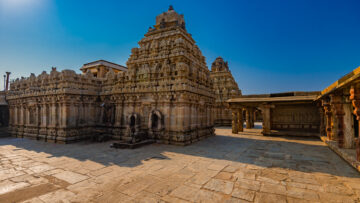

Siddhabetta has long stood as a quiet witness to the shared histories of faith, ritual and sacred knowledge in the region. Revered as a puṇyakṣetra, it is not merely a geographical elevation but a living repository of Śaiva traditions, temple networks and ritual practices that continue to sustain devotional life across generations. Among these traditions, the preparation of Śuddha Vibhuti, ritually consecrated sacred ash, holds profound spiritual and cultural significance. Traditionally derived from purified cow dung, known in Sanskrit as गोमय (Gomaya), this vibhuti is not merely a ritual substance but a symbol of transformation, purity and metaphysical insight within Śaiva practice.
For a long time, the concept of such pariśuddha vibhuti, prepared through strict traditional methods, was something I had only heard about rather than witnessed. Its process, layered with ritual precision and inherited knowledge, seemed distant, almost esoteric. This perception changed through a deeply personal moment. My grandfather, even at the age of ninety-five, continues his daily liṅga pūjā with unwavering discipline. During one such occasion, he inquired about the availability of authentic Śuddha Vibhuti, rekindling my curiosity about its origins and preparation.
What began as a simple inquiry soon evolved into a shared pursuit. Along with Nisarga R. A., I began exploring the existence of such traditional centers. In this search, an unexpected yet significant lead emerged through Nisarga’s father, who recalled having heard of an authentic vibhuti preparation tradition at Siddhabetta, her native place. Guided by this recollection and a growing sense of purpose, we resolved to visit this kṣetra and witness firsthand a practice that bridges the material and the sacred.
This article, therefore, emerges not only as a documentation of Siddhabetta’s temples, history, and cultural life but also as a personal journey into understanding a living ritual tradition, where sacred ash is not merely produced but consecrated through time, devotion and inherited wisdom.
Memory, Landscape and the Sacred Imagination
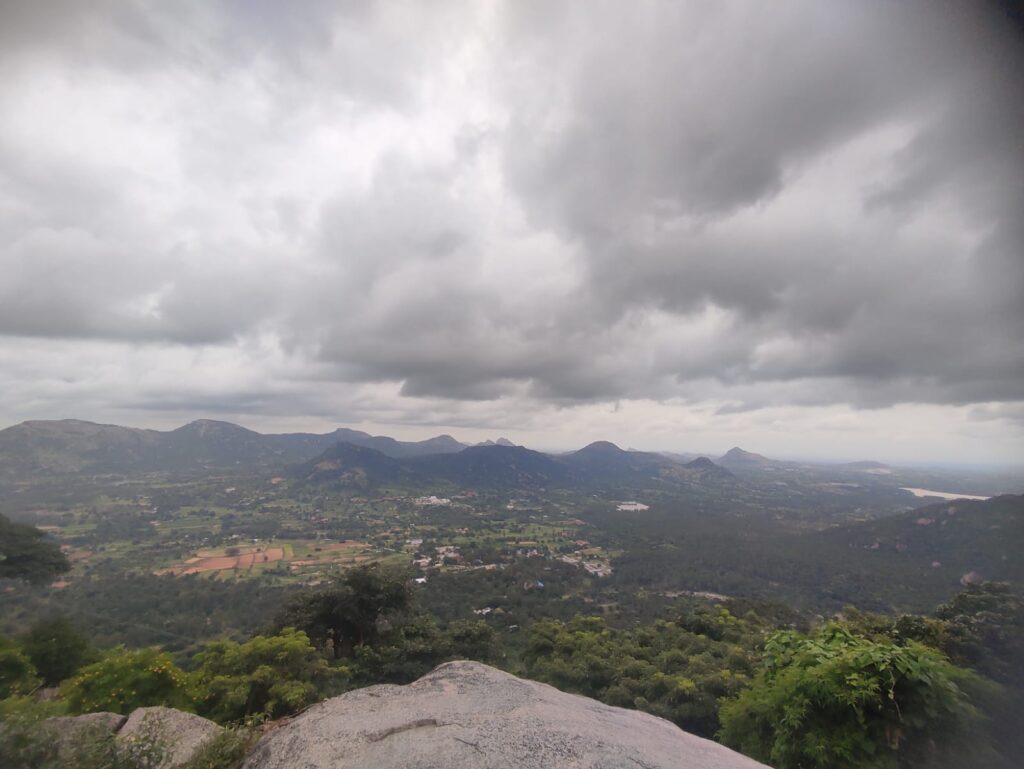
(Figure 1: The beautiful landscape of Siddharabetta)
For me, (Nisarga R A ) Siddarabetta has consistently represented more than a mere hill; it is a locale deeply embedded in my childhood recollections. My upbringing involved frequent visits to this kṣetra with my family, where each visit was enriched by narratives shared by elders, subtly yet enduringly shaping my comprehension of the place. I was frequently informed that Siddarabetta is a “Siddharugala Betta”, the Hill of realized beings, where mystic ascetics congregated to engage in intense sādhana in pursuit of siddhi. As a child, I received these narratives with a sense of wonder, envisioning the unseen presence of sages immersed in profound meditation amidst the caves and rocky terrain of the hill.
Upon revisiting these memories today, I recognize that these beliefs are not isolated imaginings but are intricately linked to the cultural identity of the place. The very name Siddarabetta, signifying “Hill of Siddipurushas,” reflects its enduring association with ascetic traditions. The natural caves and rugged formations of the hill appear to support this perception, as such environments have historically served as ideal spaces for contemplation and tapas.
Simultaneously, I acknowledge the necessity of examining these narratives with academic clarity. Local traditions speak of figures such as Siddharaju, who is believed to have resided here during the period of the Hoysala dynasty. While there is no definitive inscriptional evidence to substantiate such accounts, they remain significant as part of the oral traditions that guide how communities relate to this sacred landscape.
Being from this region, I now perceive Siddarabetta not merely as a place I visited in childhood, but as a living cultural and spiritual space, where memory, belief and history converge. What I once perceived as simple stories has gradually unfolded into a deeper understanding of how sacredness is experienced, preserved and transmitted through generations.
The Ascent – Encountering the Sacred Landscape
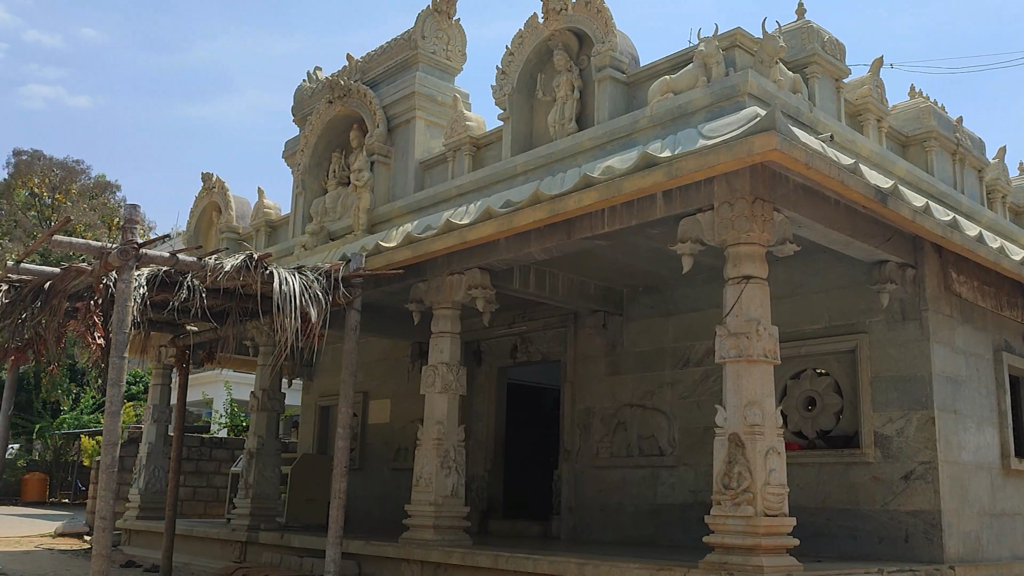
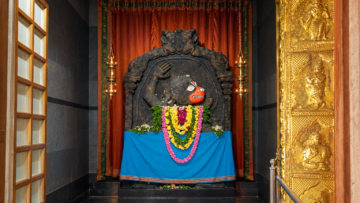
(Figure 2: Veerabhadra Swamy Temple, part of the premises of Rambhapuri Shakha Matha, adjacent to the Vibhuti preparation center)
Our expedition to Siddarabetta commenced with a sense of anticipation informed by prior knowledge and accounts. Situated approximately 107 km from Bangalore and about 31.6 km from Tumakuru, near the tranquil settlement of Thumbadi village, Koratagere Taluk, the kṣetra gradually unveiled itself as we approached its rocky expanse.
At the foothill, we initially encountered a modest yet profoundly serene Śiva temple, accompanied by smaller shrines dedicated to parivāra devatās. Commencing our journey with darśana here, we paused briefly, as if preparing ourselves, both physically and mentally, for the ascent that lay ahead.
The climb to the summit was both demanding and memorable. Narrowly carved steps, uneven and occasionally muddy, guided our path upward. Troops of monkeys, playful yet intrusive, became constant companions in this ascent, introducing an element of unpredictability to the journey. The afternoon sun bore down intensely, testing our endurance; yet, at intervals, clusters of uniquely shaped trees offered fleeting pockets of cool breeze, moments of relief that felt almost providential.
Reaching the top was both exhausting and exhilarating. The landscape opened into a breathtaking panorama of undulating rocky hills, evoking a sense of otherworldly beauty—reminiscent, almost cinematically, of the rugged terrains depicted in The Lord of the Rings. The climb, in retrospect, felt less like a physical act and more like a passage into a different realm.
At the summit stood the revered Śrī Siddheśvara Swāmy Temple, uniquely situated within a cave. After catching our breath, we entered the shrine through a narrow passage that gradually led us inward. The transition was immediate and striking, stepping from the heat outside into the cool, enveloping stillness of the cave. A gentle, almost mystical breeze seemed to flow within, creating a powerful contrast that left us momentarily awestruck.
Before approaching the sanctum, sacred water was poured over us, a ritual gesture that felt both purificatory and grounding. Within the cave, the presence of Mahādeva was accompanied by a continuous flow of holy water, said to have persisted for generations. The atmosphere within was deeply immersive – quiet, cool and charged with a sense of timelessness that is difficult to articulate.
After receiving darśana, we began our descent, carrying with us the stillness of the cave and the intensity of the experience. Returning to the base of the hill, our journey led us to the Śrī Balehonnuru Śākhā Maṭha, Śrī Kṣetra Siddarabetta – the very place we had set out to find, where the sacred tradition of Śuddha Vibhuti preparation continues to this day.
The Sacred Craft of Śuddha Vibhuti
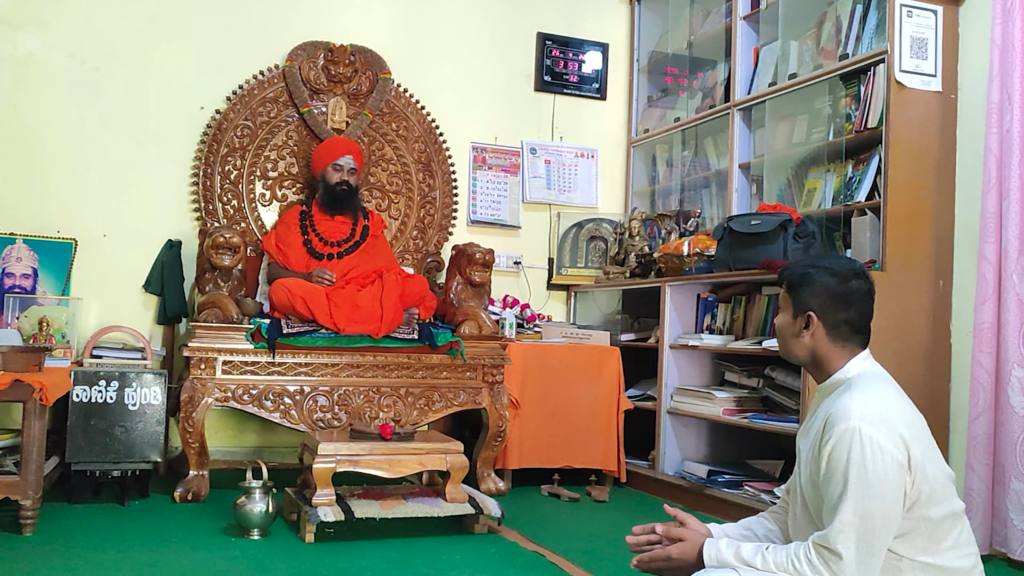
(Figure 3: A humble moment at the feet of Sri Jagadguru Renukacharya)
Upon entering the maṭha at Siddarabetta, our first act was to seek darśana of the presiding deities – Śrī Jagadguru Reṇukācārya and Śrī Vīrabhadra Swāmy. The space carried a quiet sanctity, preparing us for what would become the most insightful part of our journey.
We were then blessed with the opportunity to have the darśana of Pūjya Śrī Vīrabhadra Śivācārya Swamiji, whose presence embodied both simplicity and spiritual authority. In a brief yet meaningful interaction, Swamiji shared an important insight: that there are only a few centres in Karnataka where Śuddha Vibhuti is prepared in a traditional and accessible manner. Among them, he mentioned institutions such as Śrī Śivayogi Mandira in North Karnataka and this very kṣetra of Siddarabetta, where the practice continues as a living tradition. With his blessings and permission, we were directed to observe the preparation process more closely.
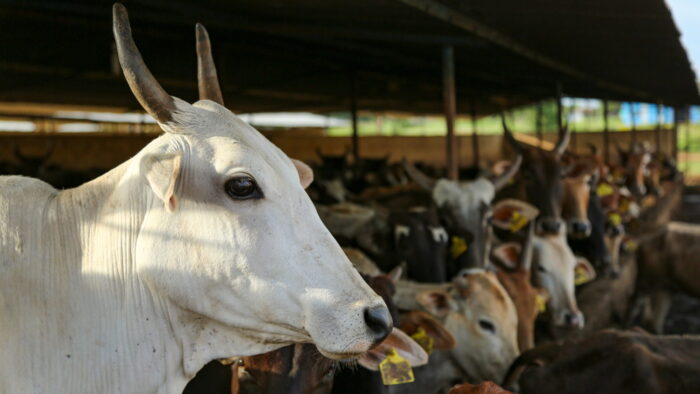
Our next interaction was with Śrī Rudra Muni Sharma, who oversees the vibhuti preparation at the maṭha. He first led us to the gośālā, where more than twenty-five indigenous (deśi) cows are carefully maintained. In a time when hybrid breeds dominate, witnessing the preservation of native cattle felt both rare and significant. The space was remarkably clean and well-maintained, reflecting the care and reverence with which the animals are treated.
From there, we were taken to the vibhuti preparation centre, where the traditional process unfolded before us. As explained by Śrī Rudra Muni Sharma, the preparation begins with the collection of cow dung (gomaya) from the gośālā. This is shaped into cakes and dried thoroughly before being burned to produce ash. The ash is then collected in large quantities and soaked in water for a couple of days, allowing it to settle and purify.
After this stage, the mixture is carefully filtered, and the refined substance is transferred into earthen vessels. It is then spread over flattened gunny surfaces and left to dry under sunlight for another two days. Once the material reaches the desired consistency, it is shaped, often into distinct geometric forms such as ṣaṭkoṇa rūpa. The final stage involves a controlled reheating using cow dung cakes, followed by careful finishing and polishing to achieve the characteristic texture and purity of Śuddha Vibhuti.
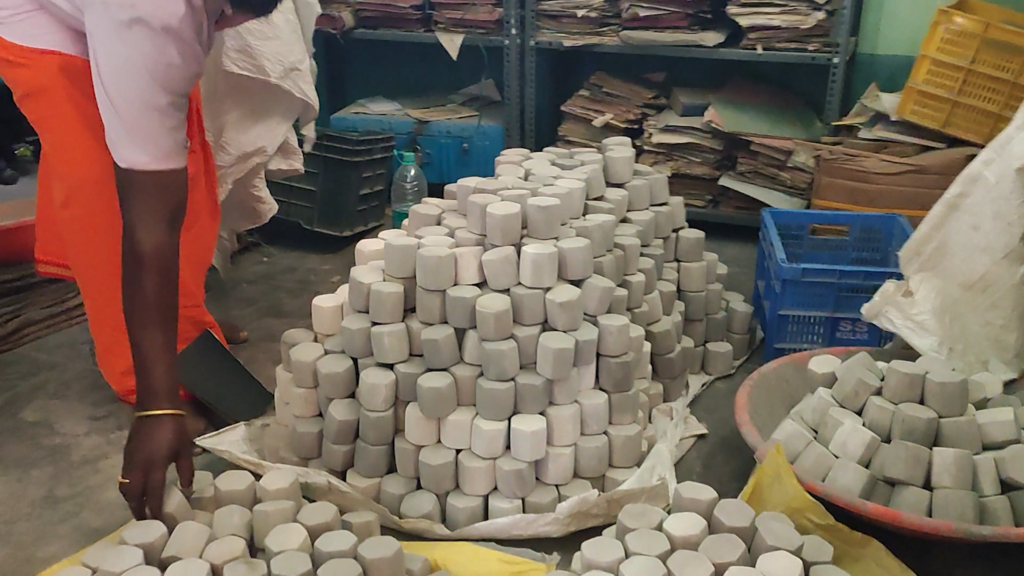
(Figure 4: Vibhūti taking the form of a geometric ṣaṭkoṇa)
This entire process reflects not merely a method of preparation but a ritual discipline, rooted in Śaiva philosophy. Within traditions that emphasize the practice of Aṣṭāvaraṇa, the wearing of vibhuti (vibhūti dhāraṇa) holds central importance. Applied as tripuṇḍra on the forehead, it is understood as a marker of spiritual identity and a reminder of impermanence, purification, and one’s journey toward Śiva-sāyujya.
Classical Śaiva texts such as the Bhasmajabala Upanishad extol the significance of sacred ash, describing it as both purifying and protective, while also symbolizing the ultimate reduction of all material existence to ash. In addition, traditional knowledge systems and some modern interpretations suggest that ash derived from properly prepared cow dung possesses mild antiseptic and skin-protective properties, though such claims are best understood within the framework of traditional practice rather than purely biomedical validation.
What struck us most, however, was not only the philosophical depth but the material quality of the vibhuti itself. When we finally received it as prasāda from Swamiji, its texture was remarkably light, distinct from the denser, chemically processed variants often found in markets. This lightness seemed to embody the very essence of the process: purity achieved through patience, discipline and devotion.
The maṭha makes this Śuddha Vibhuti available to devotees at an affordable cost, ensuring that this sacred tradition remains accessible while retaining its authenticity.
Conclusion
Our exploration of Siddarabetta transcended a mere field visit, evolving into an examination of a vibrant sacred landscape where history, memory and ritual coexist. From the echoes of ascetic traditions preserved in oral narratives, to the physically immersive experience of the hill and its cave temple and finally to the meticulously disciplined practice of Śuddha Vibhuti preparation, each aspect unveiled the enduring vitality of this kṣetra.
Notably, these traditions, though often understated, continue to sustain profound philosophical and cultural significance in everyday practice. Siddarabetta is not merely remembered; it is lived, experienced, and continuously reinterpreted by those who visit and preserve it.
In many respects, this entire journey traces back to a simple yet meaningful moment, my grandfather’s inquiry about pariśuddha vibhuti. That question, arising from a lifetime of unwavering devotion, quietly sparked a curiosity that led us here. What began as a search for a sacred substance transformed into a deeper engagement with tradition, community, and knowledge.
Disclaimer: The opinions expressed in this article belong to the author. Indic Today is neither responsible nor liable for the accuracy, completeness, suitability, or validity of any information in the article.