
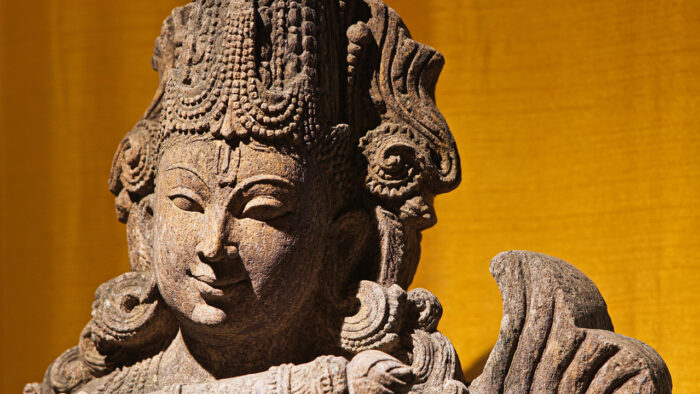
“What is heard as belief, when lived, shines as faith.”
Introduction
Do we truly live by what we say we believe? This question often comes when life tests us in unexpected ways. Belief is easy when everything is comfortable. It is simple to agree with an idea, to say yes to a value, or to accept a teaching. But when life becomes uncertain, we find out whether that belief has deep roots. At that point, belief must grow into something more than an idea. That deeper state is faith.
Belief is intellectual assent. Faith is lived trust. This movement matters not only in religion but in every part of life. It shapes how we love, how we work, how we face loss, and how we discover purpose. To move from belief to faith is to let the head and the heart come together in a way that transforms daily living.
The Nature of Belief
Belief is the first step in human understanding. We learn it from parents, teachers, culture, or scriptures. Belief gives us a framework to look at the world. It allows us to name values, explain events, and draw meaning. But belief often remains at the level of thought. It does not guarantee change in the way we live.
Beliefs are fragile. They can shift when new evidence or arguments arise. We might believe one thing in childhood and another in adulthood. Belief can guide us but it does not always lead to transformation. For example, many people believe exercise is important for health. Yet knowing this does not always make them get up and move. Belief creates awareness, but without practice it stays in the mind.
Belief is valuable. It provides a starting place. It may point toward truth, but it does not yet embody it. That embodiment is the step where belief begins to ripen into faith.
What Faith Really Means
Faith is not simply agreement with an idea. Faith is trust. It is a trust that shapes decisions even when the outcome is unknown. Faith is a way of living that grows from experience, surrender, and conviction of the heart.
Faith is most alive in moments of uncertainty. A patient who agrees that treatment will help shows belief. But when they place themselves in the care of doctors and allow the process to unfold, they show faith. Faith enters when the mind lets go of total control and allows trust to carry it further.
We see faith in everyday life. A friend stays loyal when situations grow difficult. A parent sacrifices comfort for the sake of their child’s future. A seeker on the spiritual path follows discipline even when results are not immediate. Faith is not passive acceptance. It is an active trust that gives strength, courage, and peace in the unknown.
The Shift: How Belief Ripens into Faith
Belief ripens into faith when ideas meet lived experience. At this point, knowledge is not only in the head but in the heart and the body. A student may believe in the value of music, but when they play an instrument daily, struggle with practice, and feel the joy of sound, belief becomes faith in the power of music.
Emotional depth plays an important role in this shift. Encounters of love, loss, or wonder often carry beliefs into faith. A person may believe that life is sacred, but holding a newborn child or sitting at the bedside of a dying loved one can transform that belief into faith that life is indeed a gift.
Spiritual traditions speak of this shift again and again. In the Bhagavad Gita, Arjun listens to the words of Śhrī Kṛiṣhṇa. That is belief. But when Arjun sees the universal form, belief matures into direct faith. What was once heard becomes lived conviction.
Even neuroscience hints at this difference. Conceptual knowledge belongs to one network of the brain. Experiential knowledge draws in emotion, memory, and bodily awareness. Transformation happens when knowing moves beyond thought. At that point, belief flowers into faith.
श्रद्धावांल्लभते ज्ञानं तत्परः संयतेन्द्रियः ।
ज्ञानं लब्ध्वा परां शान्तिमचिरेणाधिगच्छति ॥ BG ४.३९ ॥
śraddhāvāṁllabhatē jñānaṁ tatparaḥ saṁyatēndriyaḥ |
jñānaṁ labdhvā parāṁ śāntimacirēṇādhigacchati || 4.39 ||
(“A person with deep faith, devotion, and disciplined senses attains this wisdom. Having gained this knowledge, one swiftly experiences supreme peace.”)
Obstacles in the Journey
The journey from belief to faith is not simple. Doubt often comes first. Doubt makes us question if what we accepted is true. Doubt can feel unsettling, but it is part of growth.
Fear is another obstacle. Faith requires trust. To trust means to let go of complete control, and that can feel unsafe. Many hold tightly to belief as an idea because it feels less risky than faith as surrender.
Intellectual pride also blocks the movement. When we rely only on reasoning, we may reduce life to arguments and theories. Yet real faith asks for humility, the ability to accept that not everything can be solved by reason alone.
Modern life creates its own obstacles. We live with information overload. Beliefs can be collected easily from books, social media, and debates. But lived conviction is rare. People know much, but embody little. This gap can feel discouraging, yet it often signals that faith is waiting to grow. Obstacles do not mean failure. They are signs that the soil is being prepared for a deeper rooting.
Why Faith Matters in Modern Life
Faith matters today more than ever. Belief alone may crumble under pressure, but faith gives resilience. In times of crisis, belief may argue, but faith stands steady.
In personal growth, faith gives the courage to take the next step. A person may believe they have potential, but faith pushes them to act even when they are not certain of success. In relationships, faith allows people to trust each other despite imperfections. It allows them to stay committed when challenges come.
In leadership, faith creates vision. Leaders cannot predict outcomes, yet they move forward with conviction, drawing others with them. Faith in values such as honesty and service makes their work meaningful beyond profit or recognition.
In spirituality, faith becomes the very bridge to the Divine. Scriptures and rituals create belief, but only faith allows the seeker to live as if the unseen is real. Faith makes truth not just an idea but a living experience.
Vedantic Perspective: Faith in the Bhagavad Gita
a. Faith in the Bhagavad Gita (Chapter 17)
The Bhagavad Gita offers a profound insight into faith. In Chapter 17, Śhrī Kṛiṣhṇa explains that every person’s faith springs from their inner nature.
श्रीभगवानुवाच —
त्रिविधा भवति श्रद्धा देहिनां सा स्वभावजा ।
सात्त्विकी राजसी चैव तामसी चेति तां शृणु ॥ BG १७.२ ॥
śrībhagavānuvāca —
trividhā bhavati śraddhā dēhināṁ sā svabhāvajā |
sāttvikī rājasī caiva tāmasī cēti tāṁ śr̥ṇu || 17.2 ||
(“Śhrī Kṛiṣhṇa said: The faith of embodied beings is of three kinds and arises from their inherent nature. It can be sāttvic, rājasic, or tāmasic. Listen as I explain these.”)
This he describes three types of faith shaped by the three guṇas (nature): sāttvic, rājasic, and tāmasic.
Sāttvic faith is pure and luminous. It draws a person toward truth, compassion, and devotion without selfish expectation. Acts of worship or service performed in this spirit elevate the mind and bring clarity. Rājasic faith is driven by desire and ambition. It pushes one to perform rituals or duties with the hidden aim of reward, recognition, or power. Tāmasic faith, on the other hand, is clouded by ignorance. It can express itself in blind attachment to harmful practices, superstition, or indulgence that binds the mind rather than frees it.
Śhrī Kṛiṣhṇa teaches that faith is not a matter of choice alone but the reflection of one’s inner constitution. What we hold as sacred and trustworthy arises from our subtle tendencies. In this way, the Gita helps us understand that faith is not merely about believing or trusting; it is about aligning with the quality of nature that dominates our inner being.
This Vedantic perspective reveals why faith matures differently in each person. For some, faith in higher values naturally feels steady and uplifting. For others, it may feel transactional or uncertain. The Gita does not condemn these differences but encourages self-awareness. To grow from belief into faith is also to refine the quality of that faith, moving from tamas and rajas toward sattva.
In practical terms, the Gita points to sāttvic faith as the ideal. This faith is not blind. It is guided by reason, anchored in selflessness, and nurtured by devotion. It expresses itself in actions done as an offering, free from selfish demand. Such faith supports the blossoming of wisdom and ultimately carries the seeker toward liberation.
b. Śhraddhā: The Inner Compass of the Seeker
In Vedantic thought, the word śhraddhā carries a depth that the English word faith only partly conveys. Śhraddhā is not blind acceptance, nor is it mere agreement with an idea. It is the inner compass that guides a seeker on the path of truth. Śhraddhā means holding something with reverence, giving the heart’s attention to it, and allowing it to shape life.
Śhrī Kṛiṣhṇa in the Gita explains that every person is shaped by their śhraddhā. He says,
सत्त्वानुरूपा सर्वस्य श्रद्धा भवति भारत ।
श्रद्धामयोऽयं पुरुषो यो यच्छ्रद्धः स एव सः ॥ BG १७.३ ॥
sattvānurūpā sarvasya śraddhā bhavati bhārata |
śraddhāmayō:’yaṁ puruṣō yō yacchraddhaḥ sa ēva saḥ || 17.3 ||
(“O Arjun, faith conforms to the nature of each person’s mind. Every human being is made of faith. Whatever one’s faith is that indeed he becomes.”)
Śhrī Kṛiṣhṇa declares here that as is one’s śhraddhā, so is one’s very being; faith is not an outer layer but the essence that shapes who we become.
This insight makes clear that faith is not an added layer on top of our identity. It is the very core that directs how we think, act, and live. If belief is the seed of knowledge, śhraddhā is the soil in which that seed grows. Without it, belief remains scattered and rootless.
Śhraddhā is tested in real life. A student may believe their teacher’s words, but śhraddhā shows itself when they practice daily, trusting that discipline will bear fruit. A devotee may believe in the Divine, but śhraddhā shines when they keep their practice even when prayers seem unanswered. It is the quiet strength that sustains effort when outer rewards are absent.
Vedantic teachers often say that śhraddhā bridges the gap between reason and realization. Reason can show us the direction, but śhraddhā keeps us walking on the path even when the end is not in sight. It does not discard intellect but carries it forward into lived conviction. This is why śhraddhā is called the inner compass. It keeps the seeker oriented toward truth, even in times of doubt, struggle, or silence.
c. From Belief to Bhakti: How Devotion Transforms Faith
Belief begins as thought, faith deepens it into trust, and bhakti lets that trust blossom into love. In the Vedantic view, bhakti is not simply ritual or emotion. It is the natural flowering of faith when the heart opens fully to the presence of the Divine.
The Bhagavad Gita describes bhakti as the highest path because it carries both knowledge and action into the intimacy of relationship. When Arjun lays down his weapons in despair, he does not only seek knowledge. He surrenders himself to Śhrī Kṛiṣhṇa with the words, “I am your disciple, guide me.” That moment marks the shift from belief in the value of wisdom to faith in the teacher, and then into bhakti, a personal devotion that gives strength to act.
Bhakti is where faith becomes alive. A person may believe that honesty is valuable, and they may even trust that truth leads to peace. But when they begin to love truth as an expression of the Divine, honesty becomes more than a rule. It becomes devotion. In the same way, a seeker may believe in God, and they may even trust God’s protection. But bhakti is when the heart longs for God, serves God, and delights in God, not for gain but out of love itself.
The Gita repeatedly affirms that devotion rooted in śhraddhā is the highest form of yoga. Such faith is not about outward ritual but the heart’s steady absorption in the Divine.
This movement from belief to bhakti transforms life. It turns discipline into joy. It makes surrender natural, because love no longer asks for proof. It also dissolves fear, since one who loves the Divine feels held and supported even in hardship. Bhakti brings warmth to what might otherwise remain dry understanding. It completes the journey by showing that the highest faith is not only about trust in truth but about love of truth.
This truth is not only spoken in scripture; it is seen in the lives of seekers who discover faith through devotion.
When Scripture Becomes Living Presence
Meera grew up hearing the Bhagavad Gita at home. She believed its words were wise, but they stayed in her mind like poetry from another age. During a period of personal loss, she began reciting a single verse daily, not as ritual but as prayer. At first it felt like habit, but slowly she sensed calm in the act itself. In moments of grief, the verse rose in her heart without effort, giving strength and clarity. What had been belief in scripture ripened into faith through devotion. For her, the Gita was no longer only a book; it became a living presence that held her with quiet love.
Neuroscience Perspective: From Concept to Conviction
Modern brain science shows us why belief and faith are not the same. Belief lives mostly in the thinking brain, the neocortex, where reasoning and language take place. It is an intellectual agreement with an idea. Faith, however, engages deeper networks of the brain, including the limbic system that processes emotion and the insula that connects thought with bodily feeling. This is why faith feels more embodied and personal than belief.
Studies in cognitive neuroscience suggest that abstract knowledge alone does not change behavior. Lasting transformation happens when knowledge links with experience and emotion. For example, research by Immordino-Yang and Damasio showed that learning is far more effective when feelings and social meaning are involved, since emotional circuits of the brain anchor knowledge into long-term conviction (Mind, Brain, and Education, 1(1), 3–10, https://doi.org/10.1111/j.1751-228X.2007.00004.x). This explains why simply believing exercise is good may not be enough, but feeling the calm and energy after regular practice builds lasting trust.
Another key finding comes from studies on prayer and meditation. Schjoedt and colleagues discovered that deeply religious participants, when engaged in personal prayer, activated regions of the brain normally linked with social cognition and trust (Social Cognitive and Affective Neuroscience, 4(2), 199–207, https://doi.org/10.1093/scan/nsn050). This shows how practices of faith actually recruit relational and emotional networks, making trust in the Divine as neurologically real as trust in a close friend.
Neuroscience also highlights the role of the default mode network, the part of the brain involved in self-focused thinking and storytelling. Beliefs often remain trapped in this space as mental narratives. Faith, on the other hand, requires integration with wider networks that regulate empathy, resilience, and decision-making. Brewer and colleagues found that experienced meditators showed reduced activity in this self-referential network, alongside greater connectivity in areas linked with presence and awareness (Proceedings of the National Academy of Sciences, 108(50), 20254–20259, https://doi.org/10.1073/pnas.1112029108). This shift illustrates why faith brings calm in uncertainty: the brain moves from abstract thought to embodied trust.
From this view, the movement from belief to faith is not only a spiritual teaching but also a neuropsychological process. Belief starts as a mental map, but faith happens when the map is walked, felt, and lived. The nervous system itself learns to anchor trust, showing why embodied practices like meditation, ritual, or devotional chanting are powerful; they engage the emotional brain and make conviction real.
The difference between knowing and experiencing can be seen clearly in the lives of those who test an idea through steady practice.
From Idea to Inner Calm
Ravi had always believed meditation was useful. He had read about it in books and heard friends praise its benefits. But for years it remained an idea, something on his to-do list. When work stress began to affect his sleep, he decided to try a simple breathing practice for ten minutes each morning. At first, it felt mechanical. After a few weeks, he noticed his body relaxing more quickly at night. He grew less reactive in tense meetings. What had been a belief supported by articles and conversations slowly became faith rooted in his own nervous system. The shift from thought to lived experience gave him confidence that no book alone could provide.
Practical Steps to Move from Belief to Faith
The movement from belief to faith can be nurtured with small but steady steps. Begin by reflecting on what you say you believe but have not lived. Write it down. Notice the areas where belief has not yet become action.
Practice trust in small ways. Let go of control in a situation where you usually cling tightly. See what happens when you surrender with awareness.
Seek direct experience. Meditation, silence, service, or even risk-taking aligned with your values help shift ideas into conviction. When you act in line with your belief, faith grows.
Allow humility. Accept the limits of knowing through thought alone. Open to the mystery of life. When the heart bows to the unknown, belief ripens into faith.
Conclusion
Belief is the seed. Faith is the flowering. We all begin with belief. It comes from culture, family, or scripture. But if it remains only belief, it does not transform us. Faith is the lived trust that grows when belief is tested, practiced, and embodied.
As Śhrī Kṛiṣhṇa reminds Arjun after revealing the universal form, it is only through wholehearted devotion that the Divine can truly be known and entered into.
भक्त्या त्वनन्यया शक्य अहमेवंविधोऽर्जुन ।
ज्ञातुं द्रष्टुं च तत्त्वेन प्रवेष्टुं च परन्तप ॥ BG ११.५४ ॥
bhaktyā tvananyayā śakya ahamēvaṁvidhō:’rjuna |
jñātuṁ draṣṭuṁ ca tattvēna pravēṣṭuṁ ca parantapa || 11.54 ||
(“But by undivided devotion alone, O Arjun, can I be truly known and seen in this form, and can I be truly entered into, O scorcher of enemies.”)
This verse shows that faith is not the end of the path but its living essence. It is the inner trust that ripens into love, the quiet strength that allows us to step fully into truth. When belief matures into such devotion, life itself becomes a participation in the Divine.
The Gita reminds us that as is one’s śhraddhā, so is one’s life; our faith quietly molds the very person we become.
The question to hold is simple:
Where are you now?
Are you still in belief, or has your belief begun to bloom into faith?
Faith does not abandon reason. It allows reason to find its fulfillment in lived conviction. To move from belief to faith is to move from idea to life, from thought to trust, from seed to flowering.
Key Terms
Here are the key terms glossary in alphabetical order
- Abhyāsa: Steady practice that turns ideas into lived habits. It supports attention and keeps effort consistent.
- Ahaṅkāra: The sense of I that claims doership. It softens as faith deepens.
- Ātman: The innermost Self that is untouched and aware. Faith matures when life aligns with this truth.
- Belief: Intellectual agreement with an idea. It is the seed that needs experience to grow.
- Bhakti: Devotion that lets trust become love. It brings warmth to discipline.
- Buddhi: The discerning intellect that sees clearly. It guides choices toward truth.
- Chitta: The storehouse of impressions and memory. Practice shapes it over time.
- Conviction: The settled inner yes that follows experience. It is belief made real.
- Devotion: Love for the Divine or a higher value. It sustains effort without demand.
- Dharm: Living in alignment with order and truth. It steadies action without selfish aim.
- Discipline: The daily structure that carries intention into action. It protects focus.
- Doubt: A natural phase that tests belief. It can lead to deeper inquiry and faith.
- Embodiment: When understanding is felt in the body and behavior. It shows that learning has taken root.
- Emotion: The feeling tone that marks experience as meaningful. It helps fix learning in memory.
- Experience: Direct contact with life that changes us. It ripens belief into faith.
- Faith: Lived trust that acts without certainty of outcome. It is steady in uncertainty.
- Fear: A protective signal that can freeze action. Gentle practice loosens its grip.
- Guṇas: The three qualities of nature that shape behavior and faith. Sattva is clarity, rajas is restlessness, tamas is inertia.
- Habit: Repeated action that runs on its own. Skillful habits support faith.
- Humility: Openness to learn and receive guidance. It keeps pride from blocking growth.
- Information Overload: Too much data without digestion. It keeps belief in the head and away from life.
- Insight: A fresh seeing that reorders priorities. It often follows sincere practice.
- Intellect: The thinking function that compares and reasons. It serves best when guided by humility.
- Intellectual Pride: The tight hold of being right. It resists surrender and slows growth.
- Intention: The inner aim that directs effort. Clear intention keeps practice honest.
- Jñāna: Knowledge that reveals the Self. It is knowledge lived, not only thought.
- Karma: Action and its shaping force. It refines the mind when done selflessly.
- Lived Experience: What practice feels like over time. It becomes the soil of faith.
- Love: The natural pull toward what is held as sacred. It dissolves resistance.
- Manas: The mind that senses, wishes, and wavers. It gains steadiness with abhyāsa.
- Meditation: Quiet sitting with awareness of breath, sound, or mantra. It builds presence.
- Nididhyāsana: Deep contemplation that settles truth in the heart. It follows śravaṇa and manana.
- Obstacles: Inner or outer blocks like fear, doubt, pride, or fatigue. Clear seeing and small steps help move through them.
- Practice: Repeated action aligned with values. It is the bridge from belief to faith.
- Rājasic Faith: Faith moved by desire and restlessness. It seeks reward and recognition.
- Reason: Careful thinking that tests ideas. It works best when joined with experience.
- Resilience: The capacity to stay steady after setbacks. Faith strengthens it.
- Ritual: A repeated act done with meaning. It trains the mind toward devotion.
- Sādhana: A chosen set of spiritual practices. It gives rhythm to growth.
- Saṃskāra: Subtle impressions formed by repeated acts. They color responses and choices.
- Sāttvic Faith: Faith marked by clarity, compassion, and selflessness. It lifts the mind.
- Śhraddhā: Reverent trust in truth, teacher, and path. It is the inner compass of the seeker.
- Śravaṇa–Manana–Nididhyāsana: Listening, reflecting, and deep contemplation. Together they carry knowledge into living.
- Surrender: Willing release of tight control. It opens the heart to guidance.
- Svadharm: One’s own right action in a given role or stage. It aligns effort with inner duty.
- Tāmasic Faith: Faith clouded by inertia and confusion. It binds rather than frees.
- Trust: The quiet readiness to step forward without guarantee. It is the core movement of faith.
- Uncertainty: The not-knowing that tests belief. It becomes fertile ground for faith.
- Vāsanā: Deep-seated tendencies that pull behavior. They ease with awareness and new habits.
- Viveka: Discernment between the lasting and the passing. It supports right choice.
- Viśhwarūpa: The universal form shown to Arjun. It reveals the vastness behind the personal.
- Yog: The integration of body, mind, and Self. It is both path and goal.
Further Reading
For deeper insight into the themes explored in “Moving from Belief to Faith”
1. Bhagavad Gita – Chapter 17: Śhraddhā Traya Vibhāg Yog
This chapter explores the threefold nature of faith as shaped by the guṇas; sāttvic, rājasic, and tāmasic. It is a direct scriptural foundation for the article, showing how the quality of one’s inner tendencies determines the depth and purity of faith.
2. Śhraddhā and Faith in the Upanishads – Swami Krishnananda
A profound reflection on śhraddhā as the inner compass of the seeker. This work helps expand the article’s exploration of faith as not just an idea but the very ground of transformation.
3. The Science of Meditation – Daniel Goleman and Richard J. Davidson
Modern research on how meditation reshapes the brain and anchors conviction. It complements the article’s neuroscience perspective, offering evidence of how practices move belief into embodied trust.
4. The Upanishads – Translation by Swami Gambhirananda
These ancient texts provide a backdrop for the Vedantic perspective. Passages on śraddhā, ātman, and direct realization deepen the article’s vision of faith as trust in truth itself.
(Note on Sources: This article draws primarily on the Bhagavad Gita. Key references include 4.39 on śhraddhā and knowledge, 17.2–3 on the threefold nature of faith, 11.54 on undivided devotion, and single-pointed devotion as the highest yoga. These verses frame the movement from belief to lived trust and the flowering of bhakti.
The scriptural themes are situated within the Vedantic framework of the Prasthāna-Traya: the Upanishads, the Bhagavad Gita, and the Brahma Sutras. Upanishadic ideas of direct realization and reverent trust provide background context for the treatment of śhraddhā and practice in daily life. Standard English translations of these texts were consulted for clarity and consistency.
The neuroscience perspective integrates peer-reviewed research that links emotion, practice, and durable change: Immordino-Yang, M. H., & Damasio, A. (2007). Mind, Brain, and Education, 1(1), 3–10. https://doi.org/10.1111/j.1751-228X.2007.00004.x; Schjoedt, U., Stødkilde-Jørgensen, H., Geertz, A. W., & Roepstorff, A. (2009). Social Cognitive and Affective Neuroscience, 4(2), 199–207. https://doi.org/10.1093/scan/nsn050; Brewer, J. A., et al. (2011). Proceedings of the National Academy of Sciences, 108(50), 20254–20259. https://doi.org/10.1073/pnas.1112029108. These studies support the distinction between conceptual belief and embodied faith.)
Feature Image Credit: istockphoto.com
Disclaimer: The opinions expressed in this article belong to the author. Indic Today is neither responsible nor liable for the accuracy, completeness, suitability, or validity of any information in the article.