Indica.in
  • Events
  • Academics
  • Books
  • AYURVEDA STUDIES (CAS) CAS Ayurveda Studies
  • BHASHA STUDIES (CBS) CBS Bhasha Studies
  • EMBODIED KNOWLEDGE (CEK) CEKEmbodied Knowledge
  • INSTITUTE OF INDIC WISDOM (IIW) IIWInstitute of Indic Wisdom
  • JURISPRUDENCE STUDIES (CJS) CJSJurisprudence Studies
  • MOKSHA STUDIES (CMS) CMSMoksha Studies
  • Museums(CM) CMMuseums
  • POLYTHEISM STUDIES (CPS) CPSPolytheism Studies
  • Indic Films (CIF) CIFCenter For Indic Films
  • SOFTPOWER STUDIES (CSPS)CSPSSoftpower Studies
  • SHAIVA STUDIES (CSS) CSS Shaiva Studies
  • YOGA STUDIES (CYS) CYS Yoga Studies
Indica Today Today
  • indica

    close logo

  • Quick Reads
  • Conversations
  • Long Reads
  • Bharatiya
  • Research
  • Announcements
  • Reviews
  • Videos
  • About
  • Submission
close logo

A Cognitive Approach To Tantric Language –Part III

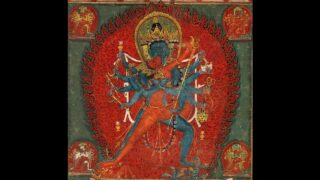
Any Tantric text uses two different types of languages. There are narratives, cosmologies and philosophies that are intelligible in plain language. However, the same language is then used to encode and decipher mantric language, the deity image, or a maṇḍala.

December 28, 2021 Sthaneshwar Timalsina
A Cognitive Approach To Tantric Language –Part II

At least two domains are involved in creating phonetic symbolism. One, the phonemes have a designated order. Two, the deities represent cosmic principles, or foundational elements such as earth, water, fire, wind, and sky.

December 25, 2021 Sthaneshwar Timalsina

A Cognitive Approach To Tantric Language –Part I

Reading Tantric literature by applying cognitive theories has a meaningful role to play. If there is anything valuable in these texts and traditions and if Tantric practices can serve humanity, the whole world deserves the benefits of such practices.

December 22, 2021 Sthaneshwar Timalsina

Sthaneshwar Timalsina

Contact us at namaste@indica.org.in

Privacy Policy

© 2023 Indica Academy